

Description
Xandre Store Exclusive | Celebrating Okinawan Artisanal Heritage through Contemporary Ceramic Fine Art
A small vessel shaped by the beauty of the Okinawan ceramic tradition.
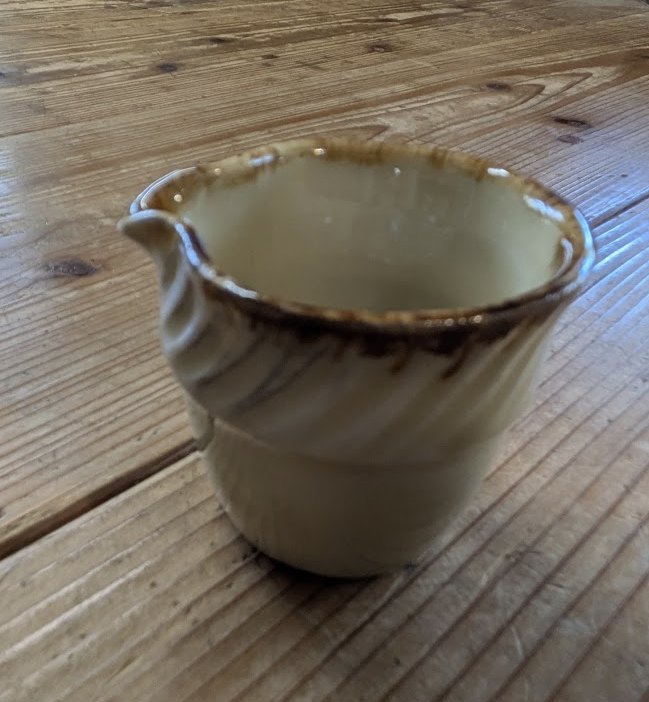
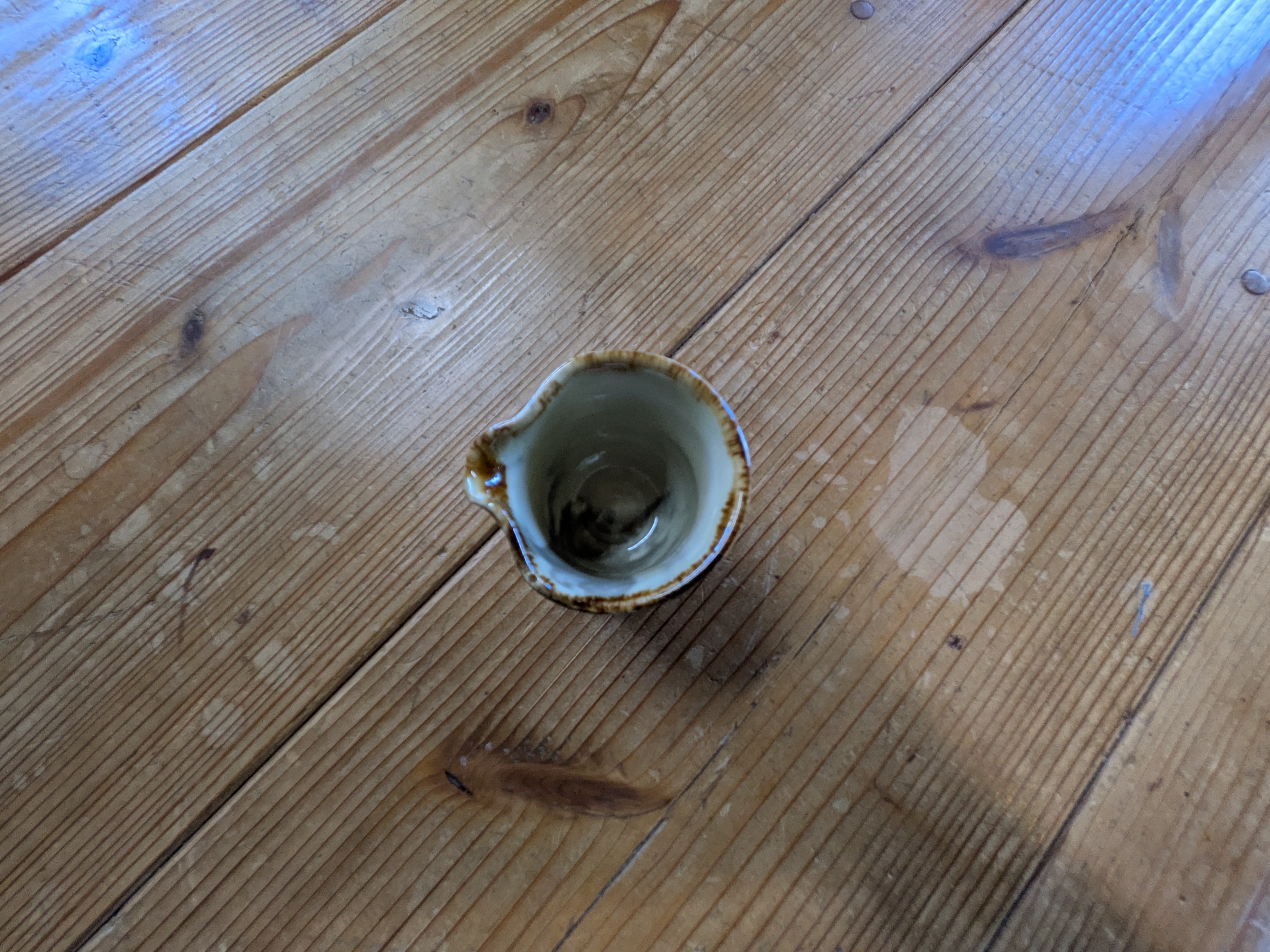
This handcrafted miniature ceramic pitcher from Tsunehide Kobo (常秀工房) in Yomitan Village, Okinawa, combines a functional Katakuchi-inspired pouring form with tactile carved texture and warm, earthy glaze character.
Its compact silhouette features a hand-shaped pouring spout, diagonal fluted Shinogi (しのぎ) detailing around the upper body, and a warm cream-beige ceramic surface complemented by an amber-brown glaze accent along the rim.
Sized for intimate tabletop use, the vessel can serve as a miniature milk or cream pitcher, or as a small serving vessel for sauces, dressings, syrups, and other condiments. Its sculptural form also makes it suitable for display as part of an Okinawan ceramic collection.
Okinawan Ryukyu Ceramic Heritage Collection
Yachimun (やちむん) is one of Okinawa's most recognizable ceramic traditions, with historic roots associated with Tsuboya and the pottery communities of Yomitan.
Okinawan ceramics are celebrated for their expressive forms, tactile surfaces, distinctive glaze treatments, and the subtle variations that emerge through individual craftsmanship and firing.
The Katakuchi (片口) is a practical Japanese vessel form characterized by a projecting pouring lip or spout. Its functionality allows the vessel to transition naturally between serving and decorative use.
This miniature interpretation combines that useful pouring silhouette with carved surface texture, creating a piece that is simultaneously practical, tactile, and visually distinctive.
Tsunehide Kobo Lineage Craftsmanship
Handcrafted Okinawan Miniature Ceramic Pitcher
Handcrafted in Okinawa by artisans associated with Tsunehide Kobo (常秀工房), this miniature pitcher demonstrates how a compact functional vessel can incorporate multiple layers of ceramic craftsmanship. The upper body is distinguished by diagonal fluted carving, creating a rhythmic ridged surface that catches both light and shadow.
The projecting spout gives the piece its characteristic Katakuchi-inspired profile, while the warm cream-beige body provides a restrained foundation for the darker amber-brown glaze accent around the rim. The contrast between smooth glazed surfaces and carved texture gives the vessel a tactile quality that rewards close observation.
Collection Highlights
- Miniature Katakuchi-Inspired Form: Compact ceramic pitcher with a projecting hand-shaped pouring spout.
- Diagonal Shinogi Texture: Carved ridges create a tactile surface and subtle movement around the upper body.
- Warm Okinawan Ceramic Palette: Cream-beige ceramic tones contrast with an amber-brown rim accent.
- Handcrafted Individuality: Shaping, carving, glazing, and firing contribute to the character of each individual vessel.
- Functional Tableware: Suitable for milk, cream, sauces, syrups, dressings, or other small-volume serving applications.
- Decorative Versatility: Compact proportions make the pitcher equally suitable for display alongside other ceramic works.
- Yachimun Craft Character: Combines functional Japanese vessel design with the expressive surface qualities associated with Okinawan pottery.
- Collector-Friendly Scale: A small-format ceramic work that can complement both contemporary and traditional interiors.
The Character of Shinogi Carving
One of the defining features of this pitcher is its Shinogi (しのぎ) surface treatment.
Shinogi refers broadly to raised or carved ridges created through the shaping of a ceramic surface. On this vessel, the diagonal arrangement introduces a sense of movement around the upper body.
As light passes across the ridges, the surface shifts between highlights and shadows, making the texture particularly noticeable despite the vessel's small scale.
The hand-carved character also means that individual lines may differ subtly in depth, spacing, angle, and transition.
These small differences give the surface a tactile quality that would be difficult to reproduce through completely uniform industrial production.
The Katakuchi Form
The Katakuchi (片口) is a familiar Japanese ceramic vessel concept centered around controlled pouring.
Here, the projecting spout becomes both a functional feature and a defining sculptural element.
The compact vessel can be used for small quantities of:
- Milk or cream
- Syrups
- Salad dressings
- Sauces
- Condiments
- Other liquid or semi-liquid accompaniments
For collectors, however, its appeal extends beyond utility. The spout, rounded body, carved texture, and contrasting glaze create a miniature ceramic composition that can be appreciated even when not in use.
Curator's Note
Small ceramic vessels often reveal craftsmanship in ways that larger objects do not.
On this miniature pitcher, the eye naturally moves between the spout, carved ridges, rounded body, and darker rim accent. Each element contributes to the vessel's overall character without overwhelming its compact proportions.
The diagonal texture provides movement, while the restrained color palette keeps the piece grounded in the earthy visual language associated with Okinawan ceramics.
It is an object designed for everyday use—but one that rewards the collector who pauses to look more closely.
The Beauty of Handmade Yachimun
Each pitcher is individually crafted, meaning subtle differences may occur from one piece to another.
Natural variations can include:
- Spout shape and angle
- Shinogi line spacing
- Carving depth
- Rim profile
- Glaze thickness
- Glaze movement
- Surface texture
- Color intensity
- Firing coloration
Such variations are inherent to handmade ceramics and contribute to the individual identity of each vessel. The result is not mechanical uniformity, but a ceramic surface shaped by the interaction between artisan technique, material, glaze, and firing.
Specifications
Studio: Tsunehide Kobo (常秀工房)
Associated Artisan: Tsunehide Shimabukuro (島袋常秀)
Artisans: Tsunehide Kobo studio artisans
Origin: Yomitan Village, Okinawa Prefecture, Japan
Category: Handcrafted Ceramic Pitcher / Milk Pitcher / Katakuchi / Decorative Tableware
Collection: Okinawan Historic Yachimun Collection
Form: Miniature Katakuchi-inspired pitcher / pouring vessel
Surface Technique: Diagonal fluted / Shinogi-inspired carving (斜めしのぎ)
Glaze Character: Warm cream-beige ceramic surface with amber-brown iron-toned rim accent
Approximate Dimensions:
- Height: 5.5–6.5 cm (2.2–2.6 in)
- Rim-to-Spout Width: 6.0–7.0 cm (2.4–2.8 in)
Price / Set Value Reference: ¥2,200–¥3,500 JPY, tax included
Quantity: One (1) handcrafted Okinawan ceramic miniature pitcher
Packaging: Presentation gift wrapping; studio or heritage documentation where available
Dimensions, glaze coloration, carving depth, and individual surface characteristics may vary due to the handmade nature of the work.
Craft Heritage & Individual Character
The character of this miniature pitcher comes from the combination of functional form and tactile surface treatment. Rather than presenting a completely uniform industrial surface, the carved Shinogi detailing introduces subtle variation across the ceramic body. The hand-shaped pouring spout likewise gives each vessel its own proportions and profile.
Glaze movement and firing can further influence the appearance of the cream-beige body and amber-brown rim. For collectors of Japanese ceramics, these variations are part of the appeal. They provide visual evidence of the individual making process and distinguish each vessel as an object with its own character.
Care Instructions
Rinse gently with warm water after use.
If detergent is necessary, use a mild dish soap and a soft sponge. Dry thoroughly before storage.
Avoid:
- Dishwasher cleaning
- Microwave use
- Direct flame
- Abrasive scrubbers
- Harsh chemical cleaners
- Sudden or extreme temperature changes
Take particular care around the hand-shaped pouring spout, as its projecting form may be more vulnerable to impact than the body of the vessel.
Shipping & International Orders
Domestic shipping within Japan is available.
International orders may be subject to additional shipping charges, import duties, VAT/GST, customs fees, or other local taxes depending on the destination country.
Any applicable customs duties, import taxes, or destination-country fees remain the responsibility of the recipient.
Xandre Store - Bringing Okinawan Craftsmanship to the World
At Xandre Store, we believe Japanese craftsmanship offers more than beautiful objects. It provides a tangible connection to the materials, techniques, regional identity, and cultural traditions behind their creation. This miniature Katakuchi-inspired pitcher demonstrates that philosophy through a compact combination of form, texture, function, and glaze.
A hand-shaped spout.
A rhythmic Shinogi surface.
A warm Okinawan ceramic palette.
Small enough for the everyday table, yet distinctive enough for a curated collection, this vessel offers an intimate way to experience the expressive character of Okinawan Yachimun craftsmanship.
Xandre Store - Connecting Japanese craftsmanship, cultural heritage, and contemporary collecting with audiences around the world.
Description
Xandre Store Exclusive | Celebrating Okinawan Artisanal Heritage through Contemporary Ceramic Fine Art
A small vessel shaped by the beauty of the Okinawan ceramic tradition.
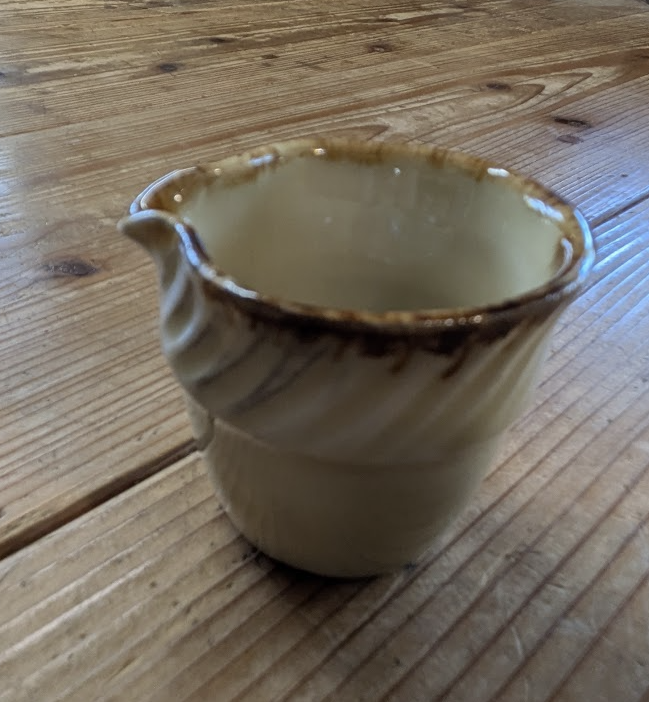
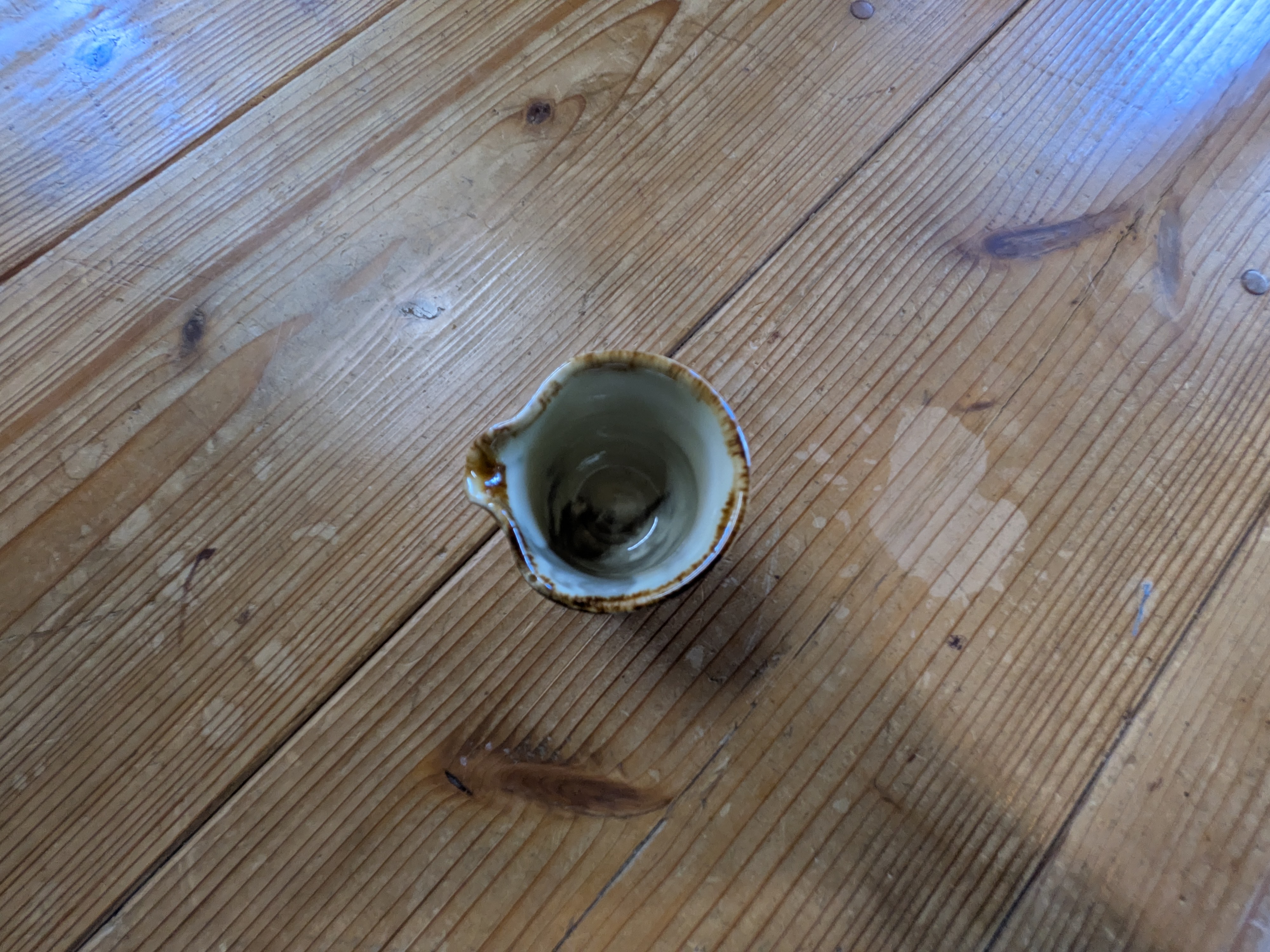
This handcrafted miniature ceramic pitcher from Tsunehide Kobo (常秀工房) in Yomitan Village, Okinawa, combines a functional Katakuchi-inspired pouring form with tactile carved texture and warm, earthy glaze character.
Its compact silhouette features a hand-shaped pouring spout, diagonal fluted Shinogi (しのぎ) detailing around the upper body, and a warm cream-beige ceramic surface complemented by an amber-brown glaze accent along the rim.
Sized for intimate tabletop use, the vessel can serve as a miniature milk or cream pitcher, or as a small serving vessel for sauces, dressings, syrups, and other condiments. Its sculptural form also makes it suitable for display as part of an Okinawan ceramic collection.
Okinawan Ryukyu Ceramic Heritage Collection
Yachimun (やちむん) is one of Okinawa's most recognizable ceramic traditions, with historic roots associated with Tsuboya and the pottery communities of Yomitan.
Okinawan ceramics are celebrated for their expressive forms, tactile surfaces, distinctive glaze treatments, and the subtle variations that emerge through individual craftsmanship and firing.
The Katakuchi (片口) is a practical Japanese vessel form characterized by a projecting pouring lip or spout. Its functionality allows the vessel to transition naturally between serving and decorative use.
This miniature interpretation combines that useful pouring silhouette with carved surface texture, creating a piece that is simultaneously practical, tactile, and visually distinctive.
Tsunehide Kobo Lineage Craftsmanship
Handcrafted Okinawan Miniature Ceramic Pitcher
Handcrafted in Okinawa by artisans associated with Tsunehide Kobo (常秀工房), this miniature pitcher demonstrates how a compact functional vessel can incorporate multiple layers of ceramic craftsmanship. The upper body is distinguished by diagonal fluted carving, creating a rhythmic ridged surface that catches both light and shadow.
The projecting spout gives the piece its characteristic Katakuchi-inspired profile, while the warm cream-beige body provides a restrained foundation for the darker amber-brown glaze accent around the rim. The contrast between smooth glazed surfaces and carved texture gives the vessel a tactile quality that rewards close observation.
Collection Highlights
- Miniature Katakuchi-Inspired Form: Compact ceramic pitcher with a projecting hand-shaped pouring spout.
- Diagonal Shinogi Texture: Carved ridges create a tactile surface and subtle movement around the upper body.
- Warm Okinawan Ceramic Palette: Cream-beige ceramic tones contrast with an amber-brown rim accent.
- Handcrafted Individuality: Shaping, carving, glazing, and firing contribute to the character of each individual vessel.
- Functional Tableware: Suitable for milk, cream, sauces, syrups, dressings, or other small-volume serving applications.
- Decorative Versatility: Compact proportions make the pitcher equally suitable for display alongside other ceramic works.
- Yachimun Craft Character: Combines functional Japanese vessel design with the expressive surface qualities associated with Okinawan pottery.
- Collector-Friendly Scale: A small-format ceramic work that can complement both contemporary and traditional interiors.
The Character of Shinogi Carving
One of the defining features of this pitcher is its Shinogi (しのぎ) surface treatment.
Shinogi refers broadly to raised or carved ridges created through the shaping of a ceramic surface. On this vessel, the diagonal arrangement introduces a sense of movement around the upper body.
As light passes across the ridges, the surface shifts between highlights and shadows, making the texture particularly noticeable despite the vessel's small scale.
The hand-carved character also means that individual lines may differ subtly in depth, spacing, angle, and transition.
These small differences give the surface a tactile quality that would be difficult to reproduce through completely uniform industrial production.
The Katakuchi Form
The Katakuchi (片口) is a familiar Japanese ceramic vessel concept centered around controlled pouring.
Here, the projecting spout becomes both a functional feature and a defining sculptural element.
The compact vessel can be used for small quantities of:
- Milk or cream
- Syrups
- Salad dressings
- Sauces
- Condiments
- Other liquid or semi-liquid accompaniments
For collectors, however, its appeal extends beyond utility. The spout, rounded body, carved texture, and contrasting glaze create a miniature ceramic composition that can be appreciated even when not in use.
Curator's Note
Small ceramic vessels often reveal craftsmanship in ways that larger objects do not.
On this miniature pitcher, the eye naturally moves between the spout, carved ridges, rounded body, and darker rim accent. Each element contributes to the vessel's overall character without overwhelming its compact proportions.
The diagonal texture provides movement, while the restrained color palette keeps the piece grounded in the earthy visual language associated with Okinawan ceramics.
It is an object designed for everyday use—but one that rewards the collector who pauses to look more closely.
The Beauty of Handmade Yachimun
Each pitcher is individually crafted, meaning subtle differences may occur from one piece to another.
Natural variations can include:
- Spout shape and angle
- Shinogi line spacing
- Carving depth
- Rim profile
- Glaze thickness
- Glaze movement
- Surface texture
- Color intensity
- Firing coloration
Such variations are inherent to handmade ceramics and contribute to the individual identity of each vessel. The result is not mechanical uniformity, but a ceramic surface shaped by the interaction between artisan technique, material, glaze, and firing.
Specifications
Studio: Tsunehide Kobo (常秀工房)
Associated Artisan: Tsunehide Shimabukuro (島袋常秀)
Artisans: Tsunehide Kobo studio artisans
Origin: Yomitan Village, Okinawa Prefecture, Japan
Category: Handcrafted Ceramic Pitcher / Milk Pitcher / Katakuchi / Decorative Tableware
Collection: Okinawan Historic Yachimun Collection
Form: Miniature Katakuchi-inspired pitcher / pouring vessel
Surface Technique: Diagonal fluted / Shinogi-inspired carving (斜めしのぎ)
Glaze Character: Warm cream-beige ceramic surface with amber-brown iron-toned rim accent
Approximate Dimensions:
- Height: 5.5–6.5 cm (2.2–2.6 in)
- Rim-to-Spout Width: 6.0–7.0 cm (2.4–2.8 in)
Price / Set Value Reference: ¥2,200–¥3,500 JPY, tax included
Quantity: One (1) handcrafted Okinawan ceramic miniature pitcher
Packaging: Presentation gift wrapping; studio or heritage documentation where available
Dimensions, glaze coloration, carving depth, and individual surface characteristics may vary due to the handmade nature of the work.
Craft Heritage & Individual Character
The character of this miniature pitcher comes from the combination of functional form and tactile surface treatment. Rather than presenting a completely uniform industrial surface, the carved Shinogi detailing introduces subtle variation across the ceramic body. The hand-shaped pouring spout likewise gives each vessel its own proportions and profile.
Glaze movement and firing can further influence the appearance of the cream-beige body and amber-brown rim. For collectors of Japanese ceramics, these variations are part of the appeal. They provide visual evidence of the individual making process and distinguish each vessel as an object with its own character.
Care Instructions
Rinse gently with warm water after use.
If detergent is necessary, use a mild dish soap and a soft sponge. Dry thoroughly before storage.
Avoid:
- Dishwasher cleaning
- Microwave use
- Direct flame
- Abrasive scrubbers
- Harsh chemical cleaners
- Sudden or extreme temperature changes
Take particular care around the hand-shaped pouring spout, as its projecting form may be more vulnerable to impact than the body of the vessel.
Shipping & International Orders
Domestic shipping within Japan is available.
International orders may be subject to additional shipping charges, import duties, VAT/GST, customs fees, or other local taxes depending on the destination country.
Any applicable customs duties, import taxes, or destination-country fees remain the responsibility of the recipient.
Xandre Store - Bringing Okinawan Craftsmanship to the World
At Xandre Store, we believe Japanese craftsmanship offers more than beautiful objects. It provides a tangible connection to the materials, techniques, regional identity, and cultural traditions behind their creation. This miniature Katakuchi-inspired pitcher demonstrates that philosophy through a compact combination of form, texture, function, and glaze.
A hand-shaped spout.
A rhythmic Shinogi surface.
A warm Okinawan ceramic palette.
Small enough for the everyday table, yet distinctive enough for a curated collection, this vessel offers an intimate way to experience the expressive character of Okinawan Yachimun craftsmanship.
Xandre Store - Connecting Japanese craftsmanship, cultural heritage, and contemporary collecting with audiences around the world.
Previously viewed products
No recently viewed products.