

Description
Xandre Store Exclusive | Okinawan Ceramic Heritage & Contemporary Collecting
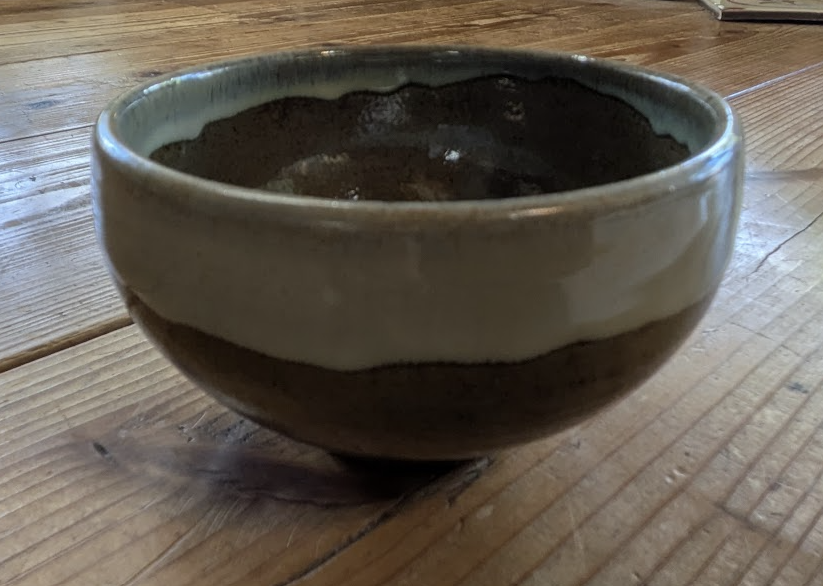
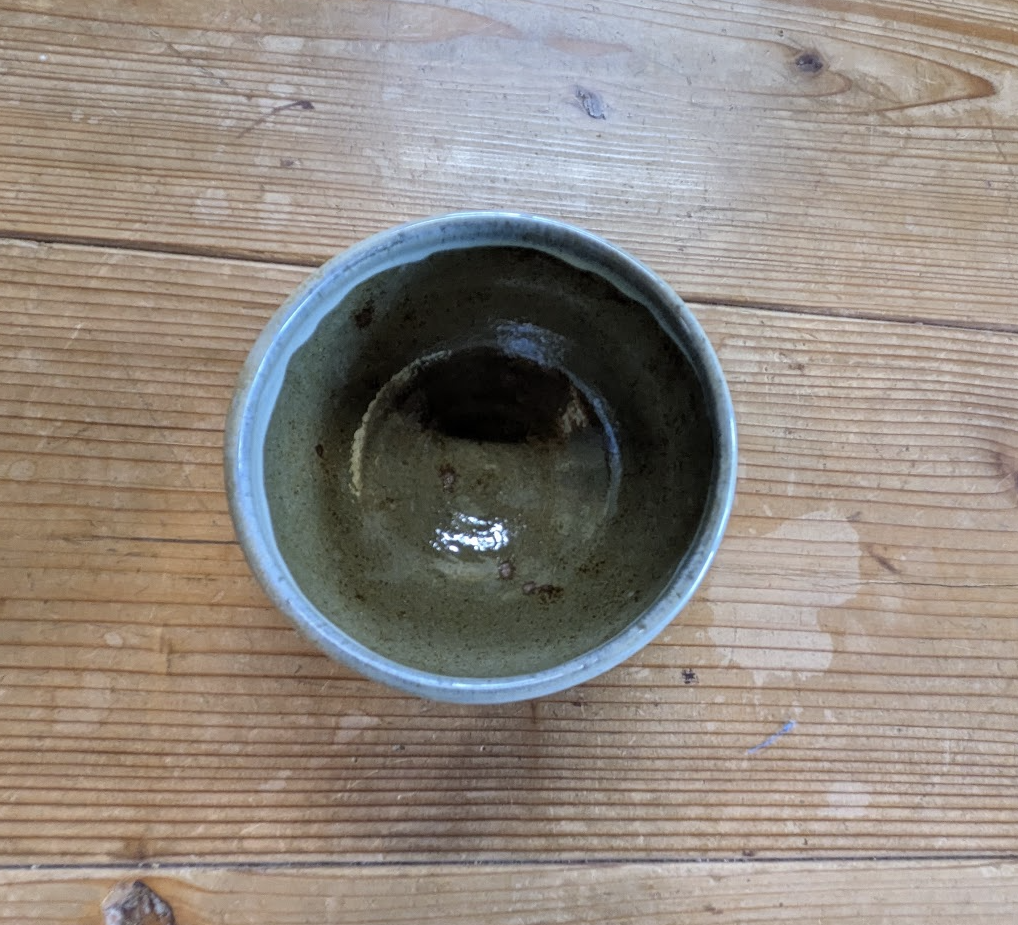
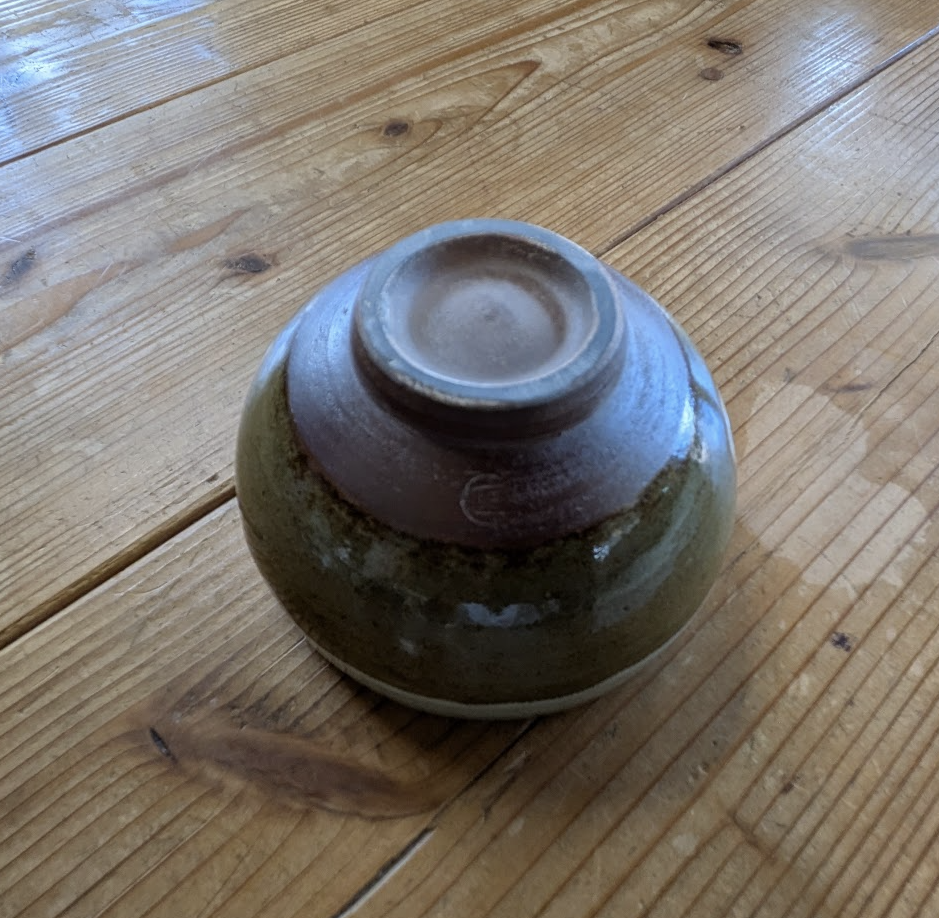
A study in contrast, balance, and the natural beauty of Okinawan ceramic firing. This handcrafted Yachimun ceramic bowl (どんぶり / Donburi) by Tsunehide Shimabukuro (島袋常秀) showcases the distinctive character of Okinawan pottery through its rounded functional form and striking Kakewake (掛け分け) two-tone glazing. The contrasting glaze fields create a clean visual division around the vessel, pairing warm cream and beige tones with a deeper iron-brown exterior and a rich olive-green interior. Rather than depending on elaborate painted decoration, the character of the piece comes from the interaction between clay, glaze, and firing. The result is a versatile Japanese ceramic vessel that can be enjoyed as everyday tableware while also holding the presence and individuality expected of collectible Yachimun pottery.
Okinawan Ryukyu Ceramic Heritage Yachimun (やちむん) is one of Okinawa's most recognizable ceramic traditions, shaped by centuries of pottery production and particularly associated with the historic Tsuboya tradition and the pottery communities of Yomitan. Traditional Okinawan ceramics are known for their substantial forms, earthy surfaces, expressive glazes, and appreciation of the natural variations created during the handmade firing process.
The Kakewake (掛け分け) approach creates visual contrast by applying different glaze areas to the same vessel. The resulting boundary can develop subtle variations as the glazes interact with the ceramic surface and respond to the heat of the kiln. On this bowl, the technique produces a particularly elegant transition between the lighter upper section, deep iron-toned exterior, and glossy green interior.
Master Tsunehide Shimabukuro - Two-Tone Ash-Glazed Ceramic Bowl
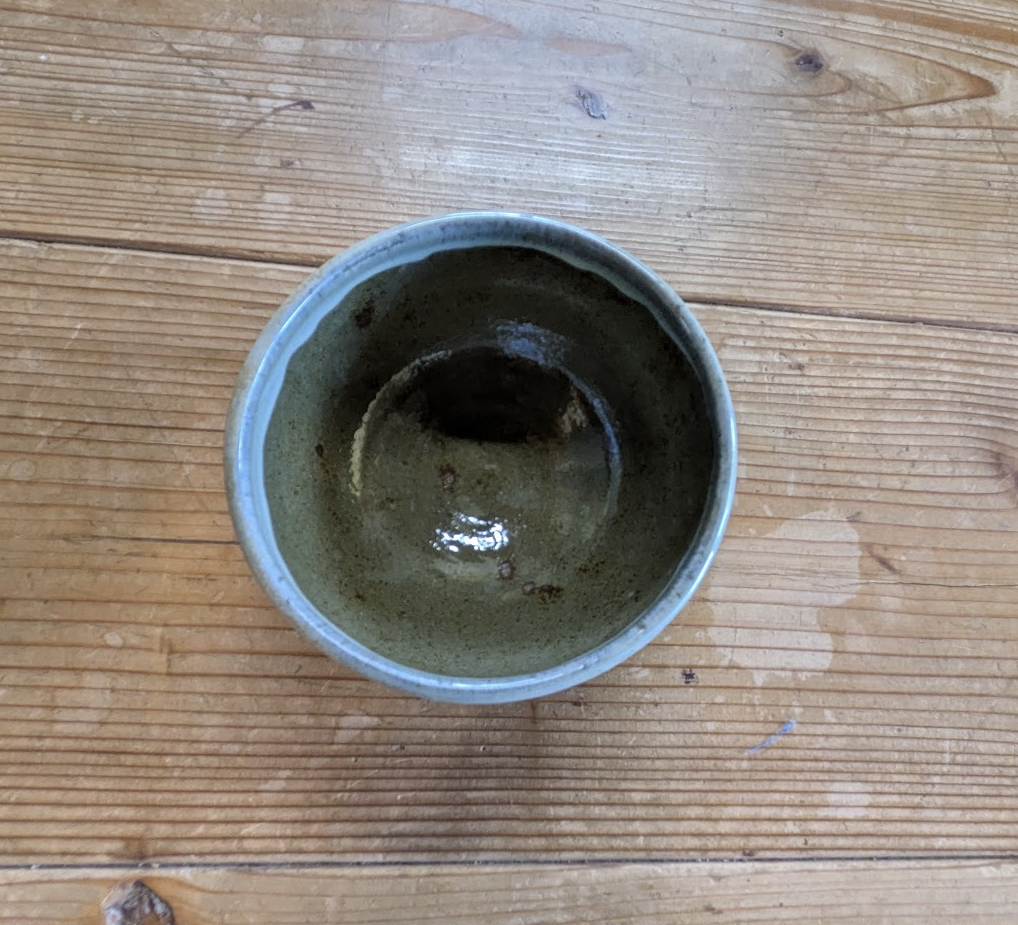
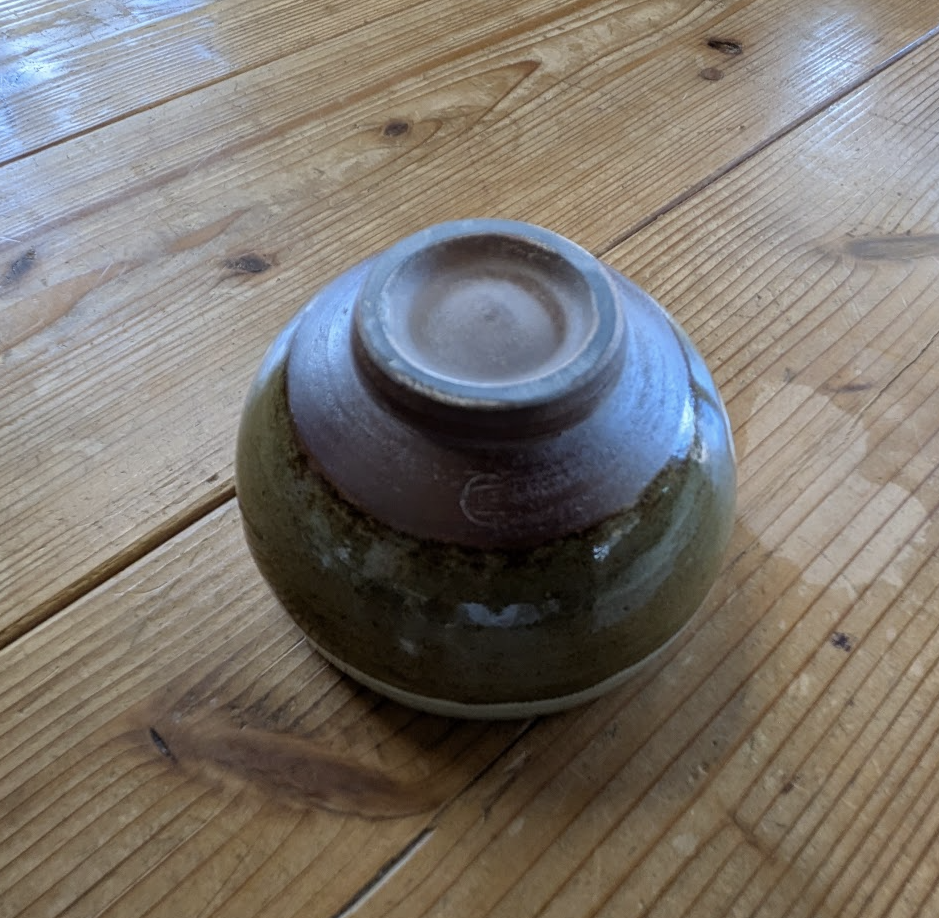
Handcrafted in Okinawa, Japan, by Tsunehide Shimabukuro (島袋常秀) of Tsunehide Kobo (常秀工房), this substantial bowl features a comfortably rounded silhouette and an unglazed foot ring that grounds the vessel visually. The exterior presents a distinctive two-tone composition, with a light cream-beige glazed upper section transitioning into a deeper iron-olive brown lower body. Inside, a glossy olive-green glaze provides a rich contrast to the exterior while revealing subtle tonal variation and natural glaze movement produced during firing.
The 「常」 studio mark is visible near the base, providing an identifying detail associated with the Tsunehide workshop. Its generous proportions make the bowl suitable for rice dishes, soba and udon noodles, soups, tea, seasonal dishes, or other Japanese-style servings.
Highlights
- Traditional Kakewake Glazing (掛け分け): Features contrasting glaze fields that create a distinctive two-tone boundary around the vessel.
- Handcrafted Okinawan Ceramic: Individually formed, glazed, and fired, allowing each piece to develop its own surface character.
- Tsunehide Kobo Studio Mark: The 「常」 maker's mark appears near the unglazed base.
- Rich Interior Glaze: Glossy olive-green glazing creates depth and contrast while highlighting natural variations from the firing process.
- Versatile Donburi Form: Generous proportions make the bowl suitable for noodles, rice dishes, soups, tea, and seasonal foods.
- Minimalist Ryukyu Aesthetic: Relies on the natural relationship between clay, glaze, form, and firing rather than elaborate ornamentation.
- Functional Collectible: Combines everyday Japanese tableware with the individuality and cultural character of handmade Okinawan pottery.
The Beauty of Glaze and Fire
The appeal of this vessel lies in its simplicity. Instead of covering the ceramic body with extensive decoration, the design allows the relationship between contrasting glazes to become the primary artistic feature. During firing, glaze thickness, kiln atmosphere, temperature, and the underlying ceramic body can influence the final appearance. As a result, the boundary between glaze fields, interior pooling, gloss, and tonal transitions may differ subtly from one vessel to another. These variations are part of the character of handmade Yachimun and should be appreciated as evidence of the ceramic process rather than viewed as imperfections.
Specifications
Artist / Studio: Tsunehide Shimabukuro (島袋常秀) / Tsunehide Kobo (常秀工房)
Origin: Yomitan Village, Okinawa Prefecture, Japan
Category: Handcrafted Ceramic Bowl / Donburi / Soba Bowl / Matcha-Wan / Fine Art Tableware
Collection: Okinawan Historic Yachimun Collection
Glaze Style: Two-Tone Kakewake Glazing (掛け分け)
Maker's Mark: 「常」 studio mark
Color: Cream-beige and deep iron-brown exterior with glossy olive-green interior
Approx. Height: 7.5–8.5 cm
Approx. Rim Diameter: 13.5–14.5 cm
Quantity: One (1) handcrafted Okinawan two-tone ceramic bowl
Packaging: Presentation gift wrapping; heritage or studio documentation where available
Historic Craft & Individual Character
The defining quality of this bowl is its connection to Okinawa's enduring tradition of functional folk ceramics. The Kakewake glazing technique allows the natural qualities of the ceramic body and glaze to remain visible, creating a restrained aesthetic in which subtle differences become part of the finished work. Because each vessel is individually formed, glazed, and fired, variations may occur in glaze boundaries, drip length, surface texture, gloss, tonal depth, stamp impression, and firing coloration. No two handmade pieces need to display exactly the same combination of these characteristics. For collectors, this individuality is part of what makes studio Yachimun distinctive.
Care Instructions
Rinse gently with warm water after use. When necessary, use a mild dish soap and a soft sponge. Dry thoroughly before storage. To help protect the ceramic body and glaze finish, avoid dishwashers and microwaves and do not expose the vessel to sudden or extreme temperature changes.
Shipping & International Orders
Domestic shipping within Japan is available.
International orders may be subject to additional shipping charges, import duties, VAT, GST, customs fees, or other local taxes. Any applicable charges are the responsibility of the recipient.
Xandre Store - Bringing Okinawan Craftsmanship to the World
At Xandre Store, we believe Japanese craftsmanship provides more than an exceptional object-it offers a tangible connection to the culture, history, and regional identity behind its creation. This handcrafted Yachimun bowl captures that philosophy through a restrained combination of form, contrasting glaze, and natural firing variation. From the pottery traditions of Okinawa to contemporary collections around the world, it represents a small but meaningful piece of Ryukyu ceramic heritage—made to be used, appreciated, and preserved.
Description
Xandre Store Exclusive | Okinawan Ceramic Heritage & Contemporary Collecting
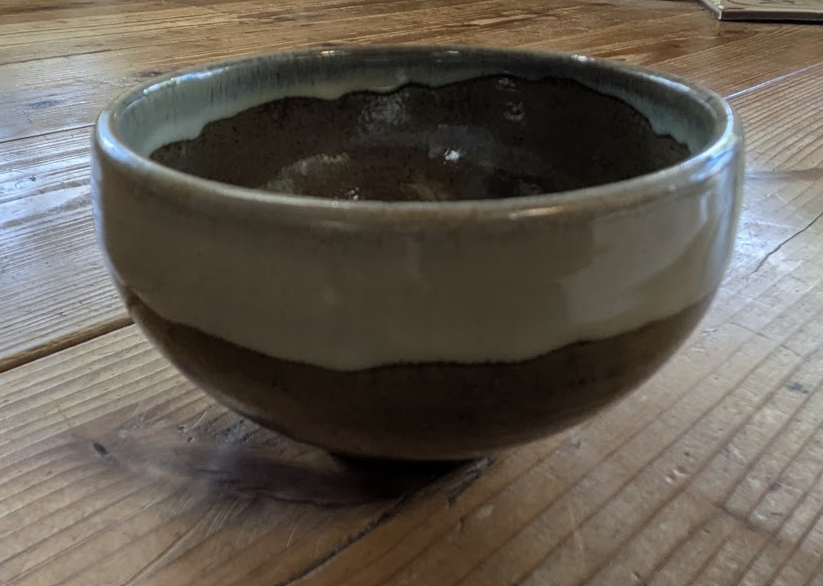
A study in contrast, balance, and the natural beauty of Okinawan ceramic firing. This handcrafted Yachimun ceramic bowl (どんぶり / Donburi) by Tsunehide Shimabukuro (島袋常秀) showcases the distinctive character of Okinawan pottery through its rounded functional form and striking Kakewake (掛け分け) two-tone glazing. The contrasting glaze fields create a clean visual division around the vessel, pairing warm cream and beige tones with a deeper iron-brown exterior and a rich olive-green interior. Rather than depending on elaborate painted decoration, the character of the piece comes from the interaction between clay, glaze, and firing. The result is a versatile Japanese ceramic vessel that can be enjoyed as everyday tableware while also holding the presence and individuality expected of collectible Yachimun pottery.
Okinawan Ryukyu Ceramic Heritage Yachimun (やちむん) is one of Okinawa's most recognizable ceramic traditions, shaped by centuries of pottery production and particularly associated with the historic Tsuboya tradition and the pottery communities of Yomitan. Traditional Okinawan ceramics are known for their substantial forms, earthy surfaces, expressive glazes, and appreciation of the natural variations created during the handmade firing process.
The Kakewake (掛け分け) approach creates visual contrast by applying different glaze areas to the same vessel. The resulting boundary can develop subtle variations as the glazes interact with the ceramic surface and respond to the heat of the kiln. On this bowl, the technique produces a particularly elegant transition between the lighter upper section, deep iron-toned exterior, and glossy green interior.
Master Tsunehide Shimabukuro - Two-Tone Ash-Glazed Ceramic Bowl
Handcrafted in Okinawa, Japan, by Tsunehide Shimabukuro (島袋常秀) of Tsunehide Kobo (常秀工房), this substantial bowl features a comfortably rounded silhouette and an unglazed foot ring that grounds the vessel visually. The exterior presents a distinctive two-tone composition, with a light cream-beige glazed upper section transitioning into a deeper iron-olive brown lower body. Inside, a glossy olive-green glaze provides a rich contrast to the exterior while revealing subtle tonal variation and natural glaze movement produced during firing.
The 「常」 studio mark is visible near the base, providing an identifying detail associated with the Tsunehide workshop. Its generous proportions make the bowl suitable for rice dishes, soba and udon noodles, soups, tea, seasonal dishes, or other Japanese-style servings.
Highlights
- Traditional Kakewake Glazing (掛け分け): Features contrasting glaze fields that create a distinctive two-tone boundary around the vessel.
- Handcrafted Okinawan Ceramic: Individually formed, glazed, and fired, allowing each piece to develop its own surface character.
- Tsunehide Kobo Studio Mark: The 「常」 maker's mark appears near the unglazed base.
- Rich Interior Glaze: Glossy olive-green glazing creates depth and contrast while highlighting natural variations from the firing process.
- Versatile Donburi Form: Generous proportions make the bowl suitable for noodles, rice dishes, soups, tea, and seasonal foods.
- Minimalist Ryukyu Aesthetic: Relies on the natural relationship between clay, glaze, form, and firing rather than elaborate ornamentation.
- Functional Collectible: Combines everyday Japanese tableware with the individuality and cultural character of handmade Okinawan pottery.
The Beauty of Glaze and Fire
The appeal of this vessel lies in its simplicity. Instead of covering the ceramic body with extensive decoration, the design allows the relationship between contrasting glazes to become the primary artistic feature. During firing, glaze thickness, kiln atmosphere, temperature, and the underlying ceramic body can influence the final appearance. As a result, the boundary between glaze fields, interior pooling, gloss, and tonal transitions may differ subtly from one vessel to another. These variations are part of the character of handmade Yachimun and should be appreciated as evidence of the ceramic process rather than viewed as imperfections.
Specifications
Artist / Studio: Tsunehide Shimabukuro (島袋常秀) / Tsunehide Kobo (常秀工房)
Origin: Yomitan Village, Okinawa Prefecture, Japan
Category: Handcrafted Ceramic Bowl / Donburi / Soba Bowl / Matcha-Wan / Fine Art Tableware
Collection: Okinawan Historic Yachimun Collection
Glaze Style: Two-Tone Kakewake Glazing (掛け分け)
Maker's Mark: 「常」 studio mark
Color: Cream-beige and deep iron-brown exterior with glossy olive-green interior
Approx. Height: 7.5–8.5 cm
Approx. Rim Diameter: 13.5–14.5 cm
Quantity: One (1) handcrafted Okinawan two-tone ceramic bowl
Packaging: Presentation gift wrapping; heritage or studio documentation where available
Historic Craft & Individual Character
The defining quality of this bowl is its connection to Okinawa's enduring tradition of functional folk ceramics. The Kakewake glazing technique allows the natural qualities of the ceramic body and glaze to remain visible, creating a restrained aesthetic in which subtle differences become part of the finished work. Because each vessel is individually formed, glazed, and fired, variations may occur in glaze boundaries, drip length, surface texture, gloss, tonal depth, stamp impression, and firing coloration. No two handmade pieces need to display exactly the same combination of these characteristics. For collectors, this individuality is part of what makes studio Yachimun distinctive.
Care Instructions
Rinse gently with warm water after use. When necessary, use a mild dish soap and a soft sponge. Dry thoroughly before storage. To help protect the ceramic body and glaze finish, avoid dishwashers and microwaves and do not expose the vessel to sudden or extreme temperature changes.
Shipping & International Orders
Domestic shipping within Japan is available.
International orders may be subject to additional shipping charges, import duties, VAT, GST, customs fees, or other local taxes. Any applicable charges are the responsibility of the recipient.
Xandre Store - Bringing Okinawan Craftsmanship to the World
At Xandre Store, we believe Japanese craftsmanship provides more than an exceptional object-it offers a tangible connection to the culture, history, and regional identity behind its creation. This handcrafted Yachimun bowl captures that philosophy through a restrained combination of form, contrasting glaze, and natural firing variation. From the pottery traditions of Okinawa to contemporary collections around the world, it represents a small but meaningful piece of Ryukyu ceramic heritage—made to be used, appreciated, and preserved.
Previously viewed products
No recently viewed products.