

Beyond AI-Generated Content: Why Human Expertise, Originality, and Trust Define the Future of SEO
A Practical Guide for Businesses, Creators, and Regional Communities Navigating the Changing World of AI-Assisted Content
Published Date: November 13, 2026
Published by: Xandre LLC | Denga AI Development Team
Headquarters: Okinawa, Japan
Category: Artificial Intelligence | SEO | Content Marketing | Digital Transformation | Multilingual Business
Introduction: A Small Business, a Big Story, and One Important Question
Okinawan Pottery: Where Human Craftsmanship Meets Digital Discovery 
Photo 1: Traditional Okinawan pottery reflects generations of craftsmanship, cultural knowledge, and regional identity-authentic stories that technology can help share with audiences around the world.
Imagine a small pottery workshop in Okinawa.
Inside, an artisan carefully shapes a piece of clay, drawing on techniques and cultural knowledge developed over many years.
Every finished piece carries something distinctive: the maker's experience, the materials, the production process, and a connection to the region.
Now imagine that same artisan trying to introduce their work to someone in Tokyo, Singapore, Paris, or New York.
The challenge is no longer simply creating something valuable.
It is communicating that value to people who may never visit the workshop.
A business website can help. So can multilingual content, digital commerce, and artificial intelligence.
But there is a difference between publishing a generic description of Japanese pottery and telling a meaningful story about an actual product, its craftsmanship, and the people behind it.
That difference is becoming increasingly important in search engine optimization (SEO).
AI has made content creation faster and more accessible. Yet speed alone cannot establish credibility, originality, or trust.
For businesses competing for attention online, the real opportunity is not to publish the largest number of articles.
It is to create information that people genuinely want to read, understand, and use.
This article explores how human expertise and AI can work together, what Google's published guidance says about helpful content, and how businesses can apply these principles to multilingual communication, digital marketing, and regional commerce.
At Xandre LLC, headquartered in Okinawa, this approach reflects a broader philosophy behind Denga AI and the company's connected digital ecosystem.
Technology can help people communicate more efficiently. Human knowledge gives that communication its meaning.
1. What Makes Content Valuable in the Age of AI?
The Reader Comes Before the Algorithm
Think about the last time you searched online for an important answer.
Perhaps you wanted to understand a product before purchasing it, compare travel options, or learn how to solve a business problem.
You probably were not looking for the longest article or the one containing the most keywords.
You wanted a useful answer.
Search engines aim to connect people with relevant information, although their ranking systems are complex and no individual technique guarantees visibility.
Google's published guidance emphasizes creating helpful, reliable content primarily for people rather than for the purpose of manipulating search rankings.
AI-assisted writing is not automatically considered low-quality.
The more important questions concern what the content contributes, whether it is accurate, and whether readers benefit from it.
Five Questions Every Business Should Ask
Before publishing an article, consider:
Who is this for?
A local customer, international traveler, business owner, researcher, or prospective partner?
What problem does it solve?
Does the article answer a specific question or help someone make an informed decision?
What makes it different?
Does it contain original knowledge, firsthand observations, authentic photographs, or meaningful analysis?
Can readers trust it?
Are important claims supported by reliable sources and actual business information?
What should readers understand afterward?
Will they leave with a clearer understanding of the subject and a useful next step?
These questions are more valuable than simply asking how many keywords an article contains.
Google's E-E-A-T Principles
Google discusses Experience, Expertise, Authoritativeness, and Trustworthiness—commonly called E-E-A-T-in its content-quality guidance.
For businesses, these principles encourage a practical approach:
Show relevant experience.
Explain the basis of your knowledge.
Use accurate information.
Identify who is responsible for the content.
Build trust through transparency.
E-E-A-T is not a single numerical ranking factor, and adding an author biography does not automatically improve rankings.
However, demonstrating genuine knowledge and accountability can make content more useful and credible.
The strongest business content does not merely claim expertise. It gives readers reasons to recognize it.
2. Why Generic AI Writing Often Feels Forgettable
When Every Business Sounds the Same
Consider these two product descriptions.
Example A:
"Our products combine excellent quality, traditional craftsmanship, and innovative design to deliver an unforgettable experience."
It sounds professional.
But what has the reader actually learned?
Very little.
Now consider a more specific example.
Example B:
"This Okinawan pottery collection features individually crafted ceramic pieces. Each product listing identifies its dimensions, materials, design characteristics, and purchasing conditions so customers can evaluate the item before ordering."
The second description provides information that a customer can use.
It is also easier to verify against actual product records.
The difference is not simply writing style.
It is informational value.
The Problem With Template-Like Content
AI-assisted writing can become repetitive when businesses use the same prompts, headings, and promotional language for every article.
Common weaknesses include vague introductions, unsupported superlatives, repetitive conclusions, and examples that do not reflect actual operations.
These weaknesses can occur in human-written content as well.
The problem is not AI itself.
The problem is publishing without sufficient thought, verification, or editorial responsibility.
Why Original Details Matter
A genuine product photograph, a specific customer question, a documented production process, or a firsthand explanation can make an article more useful.
These details also give readers something they may not find in a generic summary.
For a regional Japanese business, original knowledge may be one of its strongest digital assets.
The experiences, traditions, and practical knowledge behind a business cannot be replaced by simply generating more words.
3. Human Expertise: The Ingredient AI Cannot Supply on Its Own
Behind Every Business Is Knowledge Worth Sharing
A hotel operator understands what guests commonly ask before arriving.
A restaurant owner understands the ingredients and preparation methods behind a signature dish.
An Okinawan artisan understands the materials and cultural traditions associated with their craft.
A logistics professional understands the practical challenges of moving products between regions.
These experiences can form the foundation of valuable content.
AI can help organize them, but it cannot independently establish that an individual business has a particular history, process, or result.
That information must come from the people involved or from reliable documentation.
An Okinawan Craftsmanship Example
Imagine preparing an article about Ryukyu glass.
A basic AI-generated article might explain that Ryukyu glass is associated with Okinawan craftsmanship and is appreciated for its distinctive appearance.
That may provide a useful introduction.
But an article featuring a particular workshop should go further.
What materials does that workshop actually use?
How are its products made?
What makes an individual piece distinctive?
Which details should customers know before purchasing?
What information can be confirmed through the workshop or product documentation?
These questions bring human expertise into the article.
They also help prevent unsupported claims about authenticity, manufacturing methods, or cultural significance.
The Human Element Is More Than Emotion
Human-centered writing is not simply about adding inspirational language.
It involves understanding the reader's concerns, explaining unfamiliar subjects, respecting cultural context, and offering practical information.
A business article becomes more engaging when readers can recognize their own questions within it.
That connection is particularly valuable when communicating across languages and cultures.
4. A Practical Six-Step Workflow for Better AI-Assisted Content
Businesses do not need an enormous marketing department to begin improving their content.
They need a clear process.
Step 1 - Start With a Real Customer Question
Before choosing a headline, identify something customers genuinely want to know.
For example:
"How can I introduce my Japanese products to international customers?"
"How do I explain Okinawan craftsmanship in English?"
"What information should a product page include?"
A specific question gives the article a clear purpose.
Step 2 - Collect Authentic Information
Gather verified product specifications, photographs, business information, relevant sources, and firsthand observations.
Do this before asking AI to produce the final article.
Otherwise, the draft may sound convincing while lacking essential facts.
Step 3 - Use AI to Organize the Material
AI can assist with outlines, summaries, draft explanations, and alternative ways of presenting information.
It can also help identify questions the draft has not yet answered.
This is where automation can save time without replacing human judgment.
Step 4 - Add Human Experience
Include details that make the article specific to the business or subject.
Explain the real product, process, customer need, or regional context.
Use natural language rather than relying entirely on corporate terminology.
Step 5 - Verify Every Important Claim
Check product information, prices, service availability, cultural descriptions, statistics, and technical capabilities.
Distinguish between operational features and planned developments.
If evidence is unavailable, qualify or remove the claim.
Step 6 - Edit for People Before Publishing for Search
Read the article from the perspective of someone unfamiliar with the business.
Can they understand the main point?
Are the explanations clear?
Does the article repeat itself?
Are there useful next steps?
Would the content still be worth reading if search engines did not exist?
That final question is an especially useful editorial test.
5. Multilingual SEO: Helping People Understand, Not Just Translating Words
One Product, Different Audiences
Imagine a Japanese business introducing a traditional Okinawan product to customers in Japan and overseas.
A Japanese reader may already understand terms such as Yachimun or Ryukyu glass.
An international reader may need an explanation of the cultural background, production methods, or regional significance.
A literal translation may preserve the words without providing enough context.
This is why effective multilingual communication requires localization.
Translation and Localization Are Different
Translation communicates information in another language.
Localization adapts the explanation to the intended audience while preserving the underlying facts.
For businesses, this may involve explaining unfamiliar terminology, clarifying purchasing conditions, and adapting the organization of information.
It should not involve inventing cultural claims or changing product specifications.
Where AI Can Help
AI-assisted tools can support multilingual draft preparation, terminology organization, and initial information discovery.
Denga AI is positioned as a multilingual, multimodal platform within Xandre's digital ecosystem.
Its capabilities may support relevant information exploration, depending on the functions currently available.
However, human review remains important for cultural accuracy, legal language, commercial conditions, and brand consistency.
Good localization does not simply make information readable in another language. It makes the information meaningful to the people reading it.
6. A Practical Xandre Example: From Cultural Information to Digital Commerce
Imagine a Customer Discovering Okinawan Pottery
Consider an international visitor who becomes interested in Yachimun pottery after learning about Okinawan culture.
The visitor may have several questions.
What is Yachimun?
How does it relate to Okinawan history?
What types of products are available?
How can a customer evaluate a particular piece?
This is where information discovery and digital commerce can complement each other.
A Connected Discovery Journey
First: The visitor explores the subject.
Denga AI can serve as a starting point for supported AI-assisted information research.
Second: The visitor learns about the product category.
An informative article explains the relevant cultural context using verified sources.
Third: The visitor explores available merchandise.
Xandre Store provides a place to review selected Japanese products, including relevant cultural merchandise where listed.
Fourth: The visitor checks actual product details.
Product descriptions, availability, prices, and purchasing conditions should be confirmed through the corresponding store listing.
Finally: The visitor makes an informed decision.
The customer can determine whether an available product meets their needs.
This is an illustrative customer journey, not a claim that Denga AI automatically identifies a specific artisan, synchronizes inventory, or completes a purchase.
Why This Example Matters for SEO
The value comes from answering questions at different stages of the customer's journey.
An educational article can explain the craft.
A product page can provide purchasing information.
Relevant internal links can help readers move between those resources.
Together, these elements create a more useful experience than a generic promotional page alone.
From Human Craftsmanship to Digital Discovery
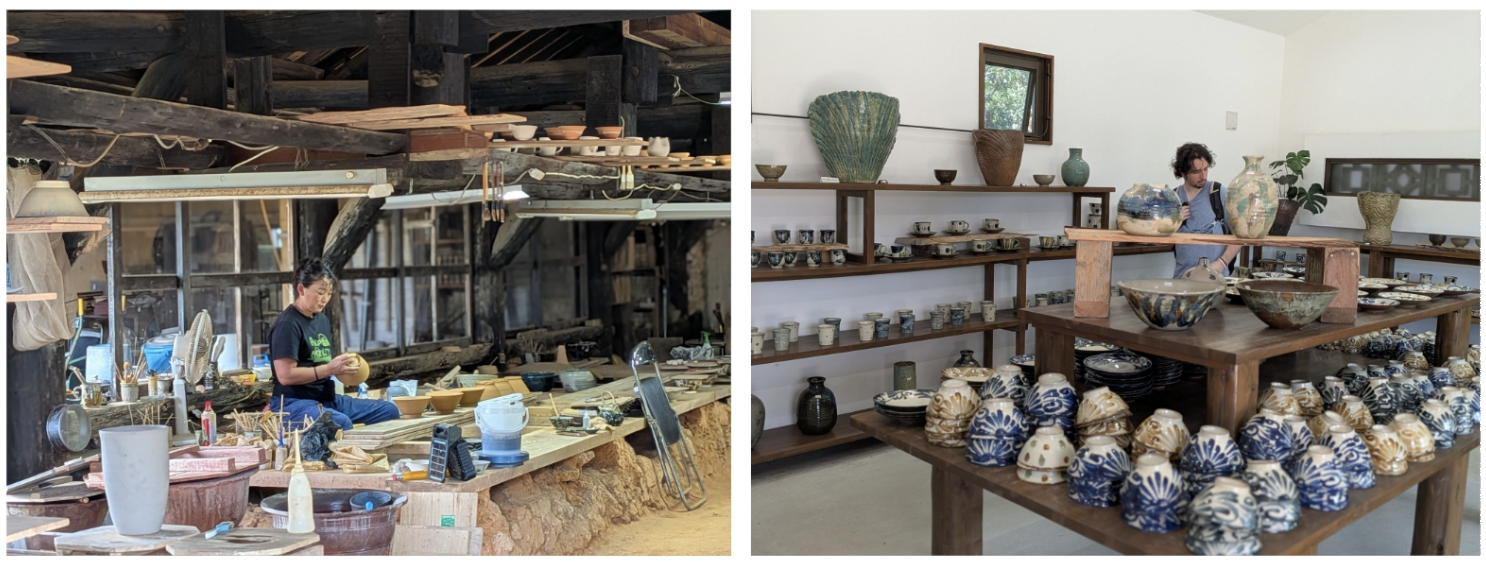
Photo 2: Traditional craftsmanship carries knowledge that deserves accurate representation. Xandre's digital ecosystem connects cultural information discovery with opportunities to explore selected Japanese products and services.
7. Making AI More Human: A Demonstration Readers Can Understand
Show the Experience, Not Just the Technology
Businesses often describe their technology using terms such as advanced, intelligent, innovative, and next-generation.
These descriptions may be relevant, but readers also want to understand what the technology actually does.
A practical demonstration can be more persuasive.
For example, an authentic Denga AI demonstration could show a user asking a question about Okinawan craftsmanship and reviewing the resulting explanation.
The demonstration could then show how the user independently checks relevant information against an actual Xandre Store listing.
This would help illustrate the relationship between AI-assisted discovery and verified commercial information.
What a Credible Demonstration Should Include
The screenshot or short video should show the current interface, the actual question entered, and the response produced.
Any relevant product information should be checked against the corresponding listing.
The demonstration should also make clear whether the user navigated manually between services.
There is no need to suggest that every step is automated.
An authentic example of a useful function is more persuasive than an exaggerated description of what a platform might eventually accomplish.
Denga AI in Everyday Use

Photo 3: AI-assisted information discovery can help users explore unfamiliar subjects, while human verification and reliable source information remain essential for accuracy.
8. Why This Matters for Japanese Regional Businesses
A Local Story Can Reach an International Audience
Japan's regional businesses possess knowledge, products, and experiences that may interest people far beyond their immediate communities.
Yet communicating those qualities digitally can be challenging.
Smaller businesses may have limited time for writing, translation, website maintenance, and marketing.
AI-assisted workflows can help reduce some of that workload.
But the business itself remains the source of its distinctive knowledge.
This combination is relevant to several areas of Japan's digital economy.
Regional Revitalization - 地方創生
Original content can introduce regional products, craftsmanship, and cultural experiences to wider audiences.
Tourism Digital Transformation - 観光DX
Clear, multilingual information can help travelers research destinations and available experiences.
SME Digital Transformation - 中小企業DX
Structured product descriptions, useful websites, and digital marketing can support small-business participation online.
Inbound Tourism - インバウンド観光
International visitors benefit from practical explanations that make Japanese products, services, and cultural information easier to understand.
Cross-Regional Collaboration - 広域連携
Businesses operating across different Japanese regions can maintain consistent information while reflecting local distinctions.
Xandre LLC's digital ecosystem covers Okinawa, Tokyo, Osaka, Fukuoka, and Sapporo through its online services.
Its nationwide digital coverage does not imply physical offices in every region.
The broader opportunity is to help regional information become more accessible without losing the knowledge and cultural context that make it valuable.
9. Measuring What Matters: From Google Visibility to Reader Value
A Higher Ranking Is Not the Entire Story
Suppose a business publishes a detailed article about Okinawan craftsmanship.
After several weeks, the business wants to understand whether the article is useful.
Looking only at its ranking position would provide an incomplete picture.
A more meaningful review might examine whether the article appears for relevant searches, attracts interested visitors, and helps readers find additional information.
What Businesses Can Measure
Search impressions: How often the page appears in eligible Google Search results.
Search clicks: How often people visit the page from those results.
Search queries: Which questions and terms lead people to discover the article.
Relevant page engagement: Whether visitors continue to related information or product pages.
Business outcomes: Where measurement is reliable, whether the content contributes to qualified inquiries or purchases.
Content quality: Whether readers can find accurate, current, and complete information.
Google Search Console can help measure organic search performance.
Website analytics and commerce records may provide additional information about user behavior and business outcomes.
However, these data sources measure different things and should not be treated as interchangeable.
A Realistic Content Improvement Cycle
Imagine an article receives impressions for questions about Okinawan pottery but relatively few clicks.
The business could review whether its title clearly explains what readers will learn.
If visitors arrive but frequently need additional information, the article might benefit from better product details, photographs, or clearer internal links.
If important information becomes outdated, it should be corrected.
These changes should be made to improve usefulness, not merely to create an appearance of freshness.
Experience Xandre's Connected Digital Ecosystem
Connecting Human Knowledge, Regional Culture, and Practical Innovation
Rooted in Okinawa: Technology That Serves People
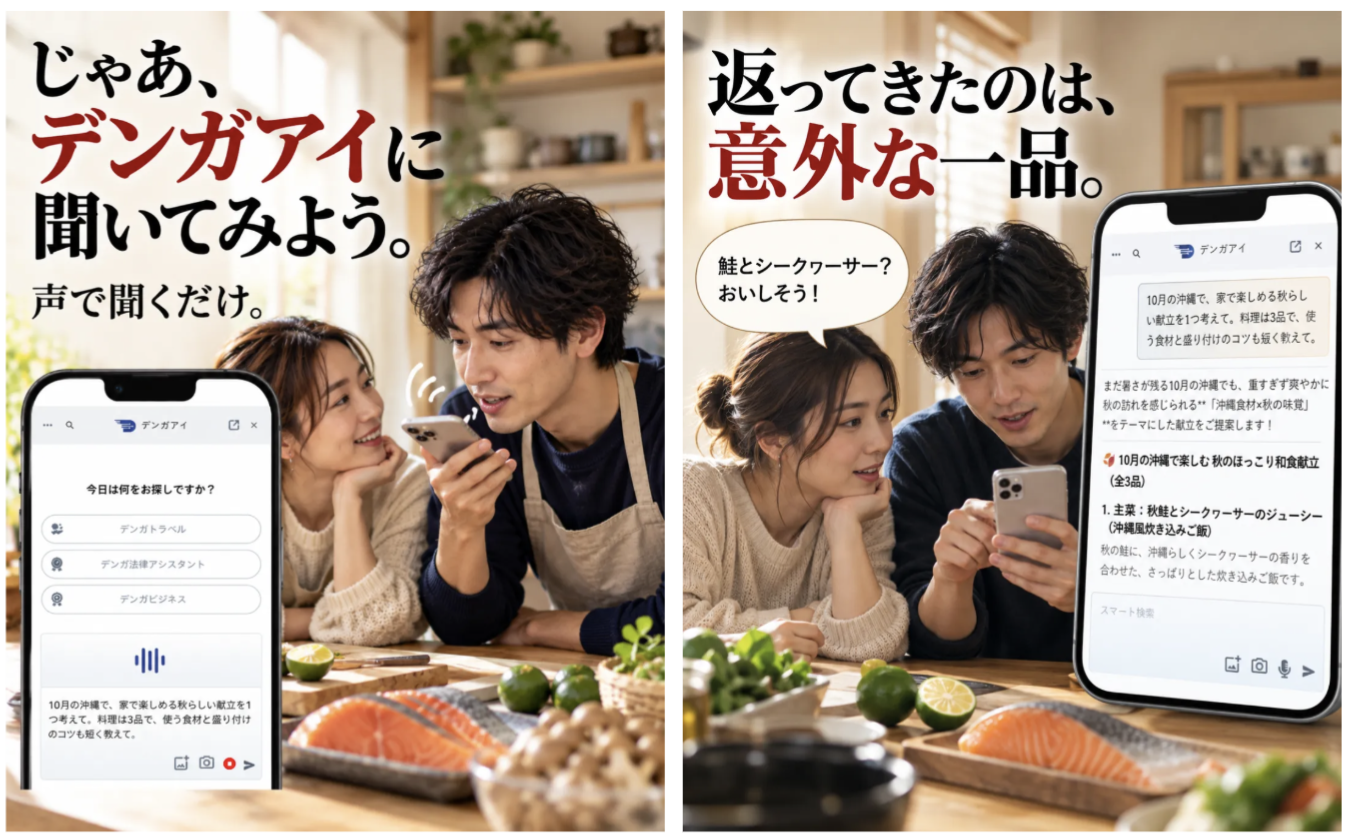
Photo 4: Rooted in Okinawa, Xandre LLC and Denga AI seek to connect human knowledge, regional culture, and practical digital services with audiences across Japan and internationally.
10. The Human Side of Responsible AI Content
Trust Is Built Through Small Decisions
A trustworthy article does not need to sound overly technical.
Often, credibility comes from simple decisions.
Explaining what is known.
Acknowledging what remains uncertain.
Using real photographs.
Providing accurate product information.
Respecting the people and communities being described.
Correcting mistakes when they are identified.
These practices matter whether content is written by a person, assisted by AI, or developed through a collaborative editorial process.
Transparency About AI
Businesses should be prepared to explain how AI contributes to their content workflow when that information is relevant to readers.
AI may assist with outlining, drafting, translation, or research preparation.
Human editors should remain responsible for checking the final content and approving factual claims.
Google's guidance emphasizes accuracy, quality, relevance, and useful context about content creation.
It also warns against scaled content produced primarily to manipulate rankings.
Responsible Content Is a Long-Term Investment
A carefully maintained article can continue helping readers after its initial publication.
Businesses can strengthen it over time with verified information, firsthand experience, better explanations, and updated service details.
Publishing fewer but more useful articles may be a better investment than producing large volumes of repetitive material.
The appropriate strategy depends on the audience, subject, and available resources.
The goal is not to make AI-generated writing appear human. It is to make the finished content genuinely useful to human beings.
11. Frequently Asked Questions About AI Content and SEO
Does Google penalize AI-generated content?
Google does not automatically penalize content simply because AI helped create it. The purpose, usefulness, quality, and compliance with spam policies matter.
Can AI-written articles rank in Google Search?
Yes, AI-assisted articles can appear in search results. Their rankings depend on multiple factors, and AI use alone does not guarantee success or failure.
What makes an AI-assisted article trustworthy?
Accurate information, relevant expertise, original examples, transparent sourcing, and responsible editorial review help establish credibility.
Is human editing necessary?
Human review is strongly advisable, especially when content includes business claims, cultural information, product specifications, legal terminology, or other details requiring verification.
How can small businesses improve SEO without publishing every day?
They can focus on answering real customer questions, improving important existing pages, maintaining accurate product information, and reviewing relevant search-performance data.
Does translating a website automatically improve international SEO?
No. Effective international SEO also requires useful localization, appropriate technical configuration, relevant content, and consideration of how different audiences search.
What is the role of Denga AI in content development?
Denga AI provides AI-assisted information-discovery capabilities within Xandre's digital ecosystem. Depending on the functions available, it may support relevant research and multilingual exploration. Businesses remain responsible for verifying and approving published material.
12. Looking Ahead: The Future of SEO Is Human Knowledge, Supported by AI
Return to the Okinawan pottery workshop at the beginning of this article.
The artisan's work is not valuable because an algorithm recognizes it.
Its value comes from craftsmanship, cultural context, and the human knowledge involved in creating it.
Technology can help explain that value.
AI can assist with organizing information, preparing multilingual drafts, and making relevant subjects easier to explore.
Search engines can help people discover the resulting content.
Digital commerce can provide opportunities to explore available products.
But none of these technologies should replace the authentic knowledge behind the story.
For Xandre LLC and Denga AI, this is an important principle of practical digital innovation.
Human expertise provides the substance. AI helps communicate it. Responsible SEO helps people discover it.
The businesses that benefit from this approach will not necessarily be those publishing the most content.
They will be those that understand their audiences, communicate real knowledge, and continue improving the information they provide.
The future of SEO is not about choosing between artificial intelligence and human creativity.
It is about using both responsibly.
Not simply to generate more words.
But to answer better questions.
Not simply to attract more clicks.
But to build meaningful connections.
And not simply to be found.
But to be worth finding.
Explore Denga AI
https://www.xandre.co.jp/denga-ai
Explore multilingual AI-assisted information discovery through Xandre's existing web platform.
Visit Xandre Store
Discover selected Japanese cultural products and available merchandise.
Explore Xandre Events
https://www.xandre.co.jp/events
Find regional event information and cultural experiences across Japan.
Discuss Business and Regional Partnerships
https://www.xandre.co.jp/partnerWithXandre
Explore potential collaboration involving regional commerce, digital services, tourism, marketing, and business development.